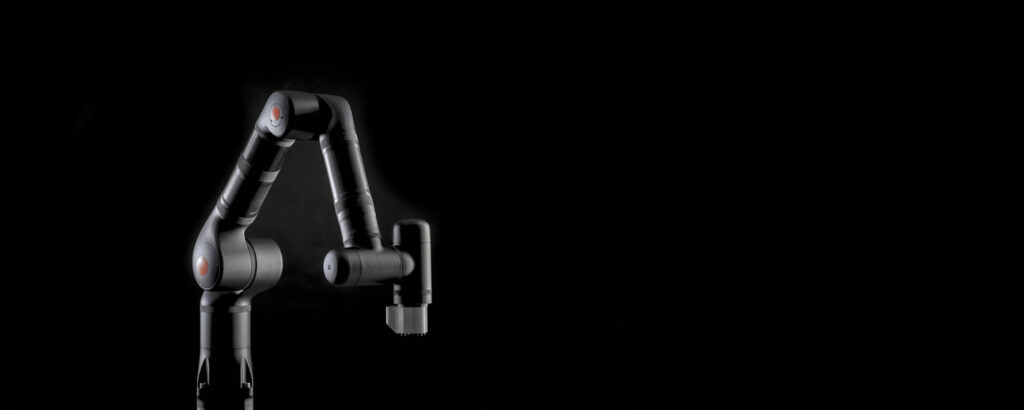
Industrial robots are proving their worth in hazardous human jobs. They perform repetitive tasks faster and more precisely, easing the burden on workers. They are equipped with vision systems and artificial intelligence. Although they are usually associated with factories and high-volume production, their potential is increasingly being seen in non-traditional applications.
Industrial robots vs. 3D printing
What do an industrial robot and sculpting have in common? The ability to create unique objects and objects without using a chisel. 3D printing technology using multifunctional robots makes it possible to achieve even the most filigree and complex structures. This uses plastics with different properties. 3D printing involves the precise application of successive layers of material, followed by laser sintering of powder, jet spraying of binder or deposition of melted raw material. Some robot models not only serve as a 3D printer, but also function as a milling machine, a probe and an assembly arm.
Robotics in medicine
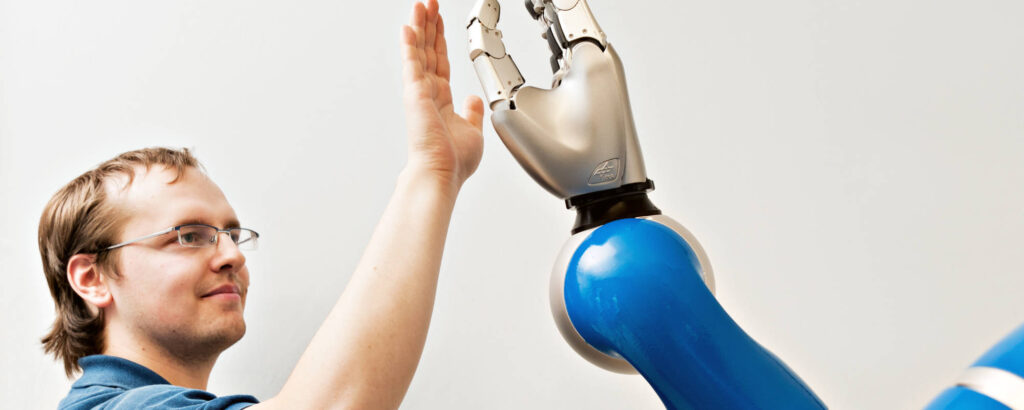
Modern technologies are reaching out to people with disabilities, those immobilized after surgery, and seniors. Rehabilitation robots and exoskeletons support learning to walk for stroke patients, for example. They precisely replicate the work that the ankle joint does. They also inform whether the movement in the limb is symmetrical and the foot is properly loaded.
Particularly noteworthy is the da Vinci robot, which was designed to perform the most complex operations. It is used in general surgery, oncology, gynecology, urology, bariatrics or transplantology. It consists of a 3D vision system, a surgical console, three or four arms and specialized tools.
Will robots replace waiters?
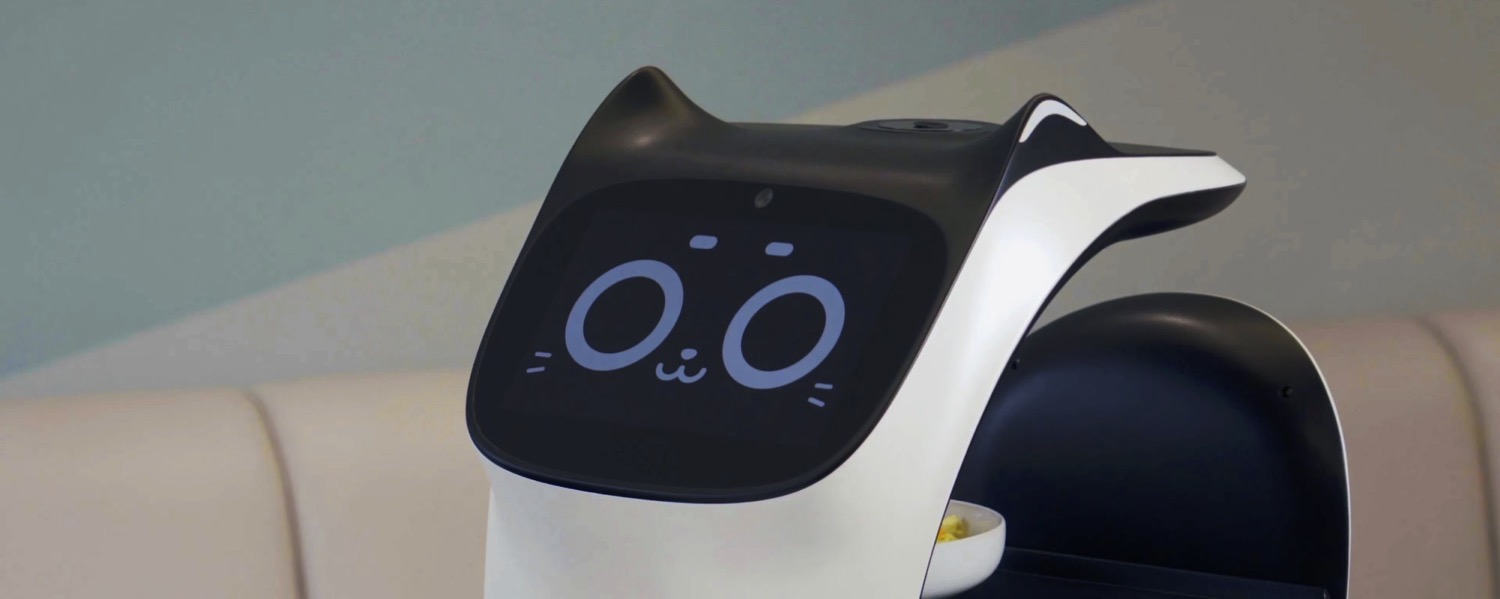
The reality of 2020 has been painfully felt especially by the restaurant industry. Many restaurants are short of hands due to the need to cut costs. Robots have emerged as the solution to this problem. What do they do? They perform the tasks of waiters – they can wash dishes, bring customers to the table, take the order and distribute meals. They work at a faster pace without fatigue, thus reducing wait times for service. It’s also an original way to stand out from the competition with innovation.